

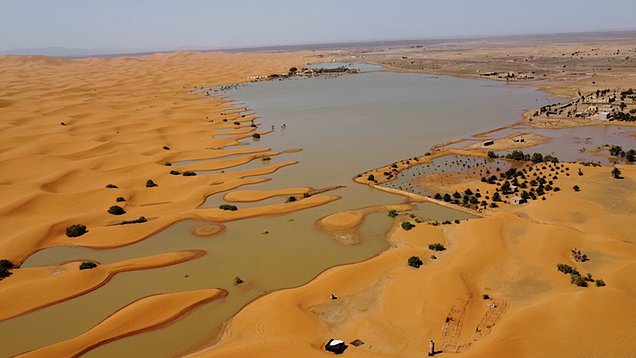
Morocco’s southern region, known for its arid climate and dry landscapes, has recently faced an unusual and intense bout of flooding that has had profound effects on local communities and agricultural practices. These rare weather events have transformed the landscape, inundating areas that typically experience little to no rainfall. As a result, the flooding has disrupted daily life for residents, affecting transportation, infrastructure, and access to essential services.
Additionally, the agricultural sector, which relies heavily on predictable weather patterns, has been caught off guard by these unexpected deluges. Farmers are facing significant challenges, as crops have been damaged or destroyed by the floodwaters, leading to concerns about food security and economic stability in the region. The sudden influx of water, while potentially beneficial for some crops, has also resulted in soil erosion and other complications that threaten long-term agricultural viability.
This extreme weather event serves as a stark reminder of the increasing unpredictability of climate patterns and the urgent need for communities to adapt to changing environmental conditions. The impacts of the flooding highlight the vulnerability of regions that are not accustomed to such weather extremes and raise important questions about future preparedness and resilience in the face of climate change.
“Rare Flooding in Morocco’s Arid South Disrupts Communities and Agriculture”


Recent Comments
on Hello world!