

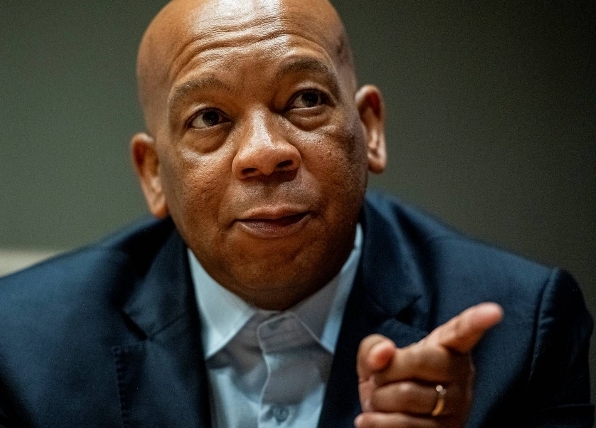
Electricity and Energy Minister Kgosientsho Ramokgopa has announced that approximately 400,000 individuals who had not been purchasing electricity from Eskom in the past have now taken steps to comply with the utility’s updated requirements. These customers have come forward to have their electricity meters migrated to the new standard mandated by Eskom.
This development represents a significant shift in consumer behavior and a milestone for Eskom in its efforts to modernize its systems and ensure compliance with updated regulations. Minister Ramokgopa highlighted the importance of this transition, which reflects both a growing awareness among consumers and the effectiveness of measures implemented by Eskom to encourage participation in the formal electricity market.
The move to the new standard meters is part of Eskom’s broader initiative to combat electricity theft, improve revenue collection, and enhance the efficiency of its operations. For years, the utility has struggled with challenges such as illegal connections, meter tampering, and non-payment by customers, which have collectively contributed to its financial difficulties. By requiring customers to migrate to modern, tamper-proof meters, Eskom aims to address these issues and establish a more sustainable electricity supply framework.
The participation of 400,000 customers marks a step in the right direction, as it indicates that a large number of households and businesses are willing to regularize their electricity usage and adhere to Eskom’s regulations. This progress not only helps Eskom secure much-needed revenue but also promotes fairness by ensuring that all users pay for the electricity they consume.
Furthermore, the installation of the new standard meters is expected to bring several benefits. For customers, it provides greater transparency and control over their electricity usage. The new meters are designed to offer accurate readings and are equipped with features that allow users to monitor their consumption in real time. This empowers consumers to make informed decisions about their energy usage and potentially reduce their electricity bills by adopting more efficient practices.
For Eskom, the shift to the standardized meters enables the utility to monitor electricity consumption more effectively, identify irregularities promptly, and take action to address losses caused by theft or technical issues. Additionally, the new system reduces the need for manual meter readings, which can be time-consuming and prone to errors, further streamlining Eskom’s operations.
Minister Ramokgopa emphasized that this achievement is the result of concerted efforts by Eskom and other stakeholders to educate the public about the importance of the transition and to facilitate the process for customers. Public awareness campaigns, community engagement, and partnerships with local authorities have played a crucial role in encouraging individuals to come forward and comply with the new requirements.
While the participation of 400,000 customers is commendable, Minister Ramokgopa also acknowledged that there is still a long way to go in addressing the challenges facing Eskom and the electricity sector as a whole. The utility continues to face financial and operational difficulties, and further efforts are needed to ensure that all electricity users are brought into the formal system.
In conclusion, the decision by 400,000 previously non-paying customers to migrate to Eskom’s new meter standard represents a positive development for both the utility and the broader electricity sector. It reflects progress in addressing longstanding challenges and sets the stage for a more sustainable and equitable electricity supply system. However, sustained efforts and collaboration will be required to build on this momentum and achieve lasting improvements in South Africa’s energy landscape.
“Minister Ramokgopa Hails Progress as 400,000 Customers Transition to Eskom’s New Metering Standard”


Recent Comments
on Hello world!