

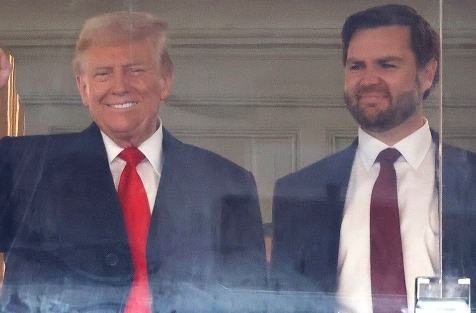
President-elect Donald Trump’s attendance at the Army-Navy football game was marked by the presence of a distinguished group of individuals, highlighting his focus on surrounding himself with influential figures as he prepared for his upcoming administration. Among the notable attendees was his running mate, as well as the world’s richest man, signaling Trump’s connection to high-profile figures in both the business and political arenas. Additionally, several individuals considered for key cabinet positions accompanied him, underscoring the importance of the game as a platform to strengthen his network and showcase his administration’s future leadership.
Also in attendance was a hero from New York City, a subway operator who had recently been cleared of any wrongdoing after a heroic act. The presence of such a figure at the event served as a reminder of the real-world acts of courage that continue to make headlines, even as the political spectacle of the football game unfolded. The inclusion of these individuals at the game further emphasized the larger narrative of Trump’s leadership style, which often centers around bringing together powerful, successful people who embody his vision for America’s future.
The Army-Navy game, traditionally a highly anticipated event in American sports, provided a fitting backdrop for such a gathering. It has long been a symbol of American pride and tradition, and for Trump, it also represented an opportunity to publicly align himself with figures from various spheres of influence. Whether through political, business, or heroic action, each person in his entourage represented a different facet of the administration he was about to lead. This gathering highlighted the diverse backgrounds and connections Trump was drawing upon as he prepared to transition into the White House.
Trump’s relationship with the world’s richest man is particularly notable, as it underscores the close ties between the business world and the Trump administration. The wealthy figure’s presence at the event reinforces the idea that Trump, having come from a business background, values partnerships with individuals who have successfully navigated the global marketplace. By aligning with such figures, Trump was signaling that his presidency would prioritize business interests and entrepreneurial success.
Similarly, the cabinet hopefuls present at the game were also part of the larger picture of Trump’s preparations for the leadership roles that would shape his presidency. These figures, potential key members of his administration, were likely being observed closely by both Trump and the public, as their potential nominations would indicate the direction in which the administration would move on critical issues such as foreign policy, economic strategy, and national security. The inclusion of these individuals at a high-profile event like the Army-Navy game highlighted the importance of the event not only as a sporting occasion but also as a political stage.
The subway hero’s inclusion in the entourage also speaks to Trump’s image-building strategy, emphasizing his ability to connect with ordinary Americans who are regarded as everyday heroes. This moment highlighted the broader themes of heroism and public service, showing that Trump’s administration would also prioritize those who take bold, life-saving actions in times of crisis. By bringing attention to this figure, Trump demonstrated his intention to appeal to a wide range of Americans, from the business elite to the everyday citizen.
In conclusion, President-elect Trump’s attendance at the Army-Navy football game served as both a public spectacle and a reflection of his approach to leadership. Surrounded by a diverse group of individuals, including his running mate, the world’s richest man, potential cabinet members, and a subway hero, Trump showcased his strategy of aligning himself with influential figures from various walks of life. The event provided a snapshot of the political, business, and social networks that Trump would rely on in his presidency, further solidifying his image as a leader who values strong connections and diverse viewpoints in shaping America’s future.
“Trump Attends Army-Navy Game with High-Profile Entourage, Including Running Mate, Billionaire, and Subway Hero”


Recent Comments
on Hello world!