

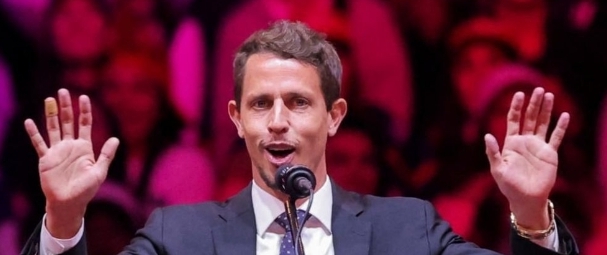
Comedian Tony Hinchliffe has recently ignited a significant backlash after making a controversial remark about Puerto Rico at a rally for former President Donald Trump. During the event, Hinchliffe referred to the island as a “floating island of garbage,” a statement that has drawn widespread condemnation from various communities and organizations. This comment has been perceived as not only disrespectful but also indicative of a larger issue regarding how Puerto Rico is viewed in the context of its political and environmental challenges.
The backlash against Hinchliffe’s remarks highlights the sensitivities surrounding discussions about Puerto Rico, especially in light of its complicated history with the U.S. government and the ongoing struggles faced by its residents. Puerto Rico has dealt with numerous hardships, including devastating hurricanes, economic crises, and issues related to debt and recovery. Such comments, particularly from a public figure, can perpetuate negative stereotypes and fail to acknowledge the resilience and rich culture of the Puerto Rican people.
Critics have taken to social media and various platforms to express their outrage, calling for accountability from Hinchliffe and urging a broader conversation about the representation of Puerto Rico in comedy and media. Many argue that humor should not come at the expense of marginalized communities and that comedians have a responsibility to be mindful of their words, especially when addressing sensitive topics. This incident has sparked discussions about the role of comedians in society and the potential consequences of their jokes, particularly when they can impact public perception and contribute to harmful narratives.
As the backlash continues to grow, it remains to be seen how Hinchliffe will respond to the criticism. This situation serves as a reminder of the complexities involved in humor, particularly when it intersects with social and political issues. It underscores the importance of empathy and understanding in comedy, as well as the need for public figures to be aware of the implications of their statements. Overall, this incident has opened up a larger dialogue about respect, representation, and the responsibilities that come with having a platform in today’s society.
“Tony Hinchliffe Faces Backlash for Calling Puerto Rico a ‘Floating Island of Garbage’ at Trump Rally”


Recent Comments
on Hello world!