

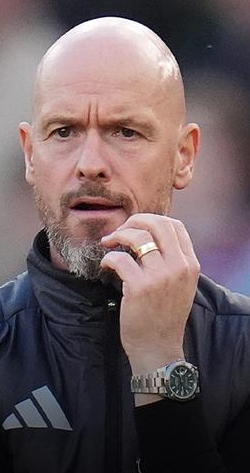
After a tenure of approximately two and a half years, Manchester United has made the significant and often difficult decision to part ways with their manager, Erik ten Hag. This decision has been made following a series of disappointing performances and results that have left the club, its supporters, and its stakeholders frustrated and searching for answers. Ten Hag’s dismissal marks a pivotal moment in the storied history of Manchester United, a club renowned for its rich tradition, passionate fanbase, and a long-standing commitment to competing at the highest levels of both domestic and international football.
Erik ten Hag took the reins at Manchester United with the hope of revitalizing a team that had faced numerous challenges in recent years. Upon his arrival at Old Trafford, he brought with him a wealth of experience and a reputation for developing young talent and implementing an attractive style of play. Many fans were optimistic about the direction in which he would lead the club, believing that his tactical acumen and innovative approach could reignite the team’s competitive spirit and restore its status as one of the premier clubs in the world.
Throughout his time in charge, Ten Hag attempted to instill a new philosophy and culture within the squad. He made significant changes to the lineup, focusing on both tactical adjustments and player acquisitions to build a competitive team capable of challenging for silverware. However, despite some encouraging moments and flashes of brilliance, the team struggled to maintain consistency, often falling short against rivals in crucial matches. The mounting pressure to deliver positive results ultimately became a decisive factor in the club’s management’s choice to part ways with him.
The decision to relieve Ten Hag of his duties has sparked a wide range of reactions from fans and analysts alike, many of whom had hoped for a turnaround in fortunes under his leadership. While some supporters expressed disappointment over the sacking, others pointed to the need for a fresh perspective to reinvigorate a squad that has not lived up to its potential. The club’s management, faced with the daunting challenge of meeting the high expectations of its fanbase and the commercial pressures of competing in a lucrative football landscape, recognized that a change was necessary.
As Manchester United navigates this transitional period, the focus will inevitably shift to the search for a suitable successor who can take the helm and guide the team forward. The new manager will face the enormous task of rebuilding morale, instilling a winning mentality, and fostering a sense of unity within the squad. Additionally, the next manager will need to harness the potential of the existing players while also possibly bringing in new talent to strengthen the team.
This change at the managerial level reflects a broader narrative within Manchester United, one that highlights the ongoing struggle to regain the dominance and prestige that characterized the club during its most successful periods. With the club aiming to reclaim its place among the elite in both the Premier League and European competitions, the upcoming weeks and months will be crucial as they work to establish a new direction and identity under fresh leadership. The road ahead promises to be challenging, but it is also filled with the potential for renewal and success, should the club find the right individual to lead them into this new era.
“Manchester United Parts Ways with Manager Erik ten Hag After Two and a Half Years”


Recent Comments
on Hello world!