

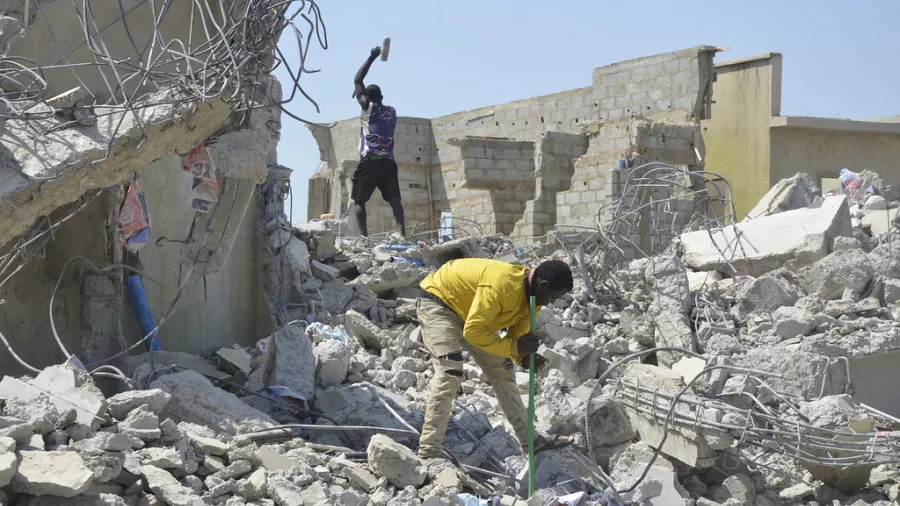
In a heartbreaking incident, a building collapse in Nigeria has tragically resulted in at least seven fatalities, highlighting the urgent need for stronger construction safety measures. This latest disaster has brought renewed attention to Nigeria’s ongoing struggles with enforcing rigorous building standards, an issue that has contributed to several similar incidents in recent years.
Rescue teams have been working around the clock to search for survivors and recover victims from the rubble, while concerned citizens and officials express grief and frustration. As communities mourn the lives lost, the focus has shifted to addressing the underlying causes behind the repeated instances of unsafe construction, which have led to preventable tragedies.
Experts note that issues such as the use of substandard materials, non-compliance with building codes, and insufficient inspections are often linked to structural failures in Nigerian cities. This incident has intensified public outcry, with citizens demanding reforms that include stricter building codes, improved regulatory oversight, and accountability for developers who cut corners in construction.
In response, government officials have promised a thorough investigation into the cause of the collapse, with some leaders advocating for reforms that mandate more frequent inspections and a crackdown on negligent construction practices. Many believe that a proactive approach to enforcing safety measures is essential as Nigeria continues to urbanize rapidly, with cities expanding and more buildings being erected each year.
This tragic event serves as a solemn reminder of the human cost of inadequate safety standards. As the nation grieves,
Building Collapse in Nigeria Claims Seven Lives, Amplifying Concerns Over Construction Safety Standards


RELATED ARTICLES
Recent Comments
on Hello world!