

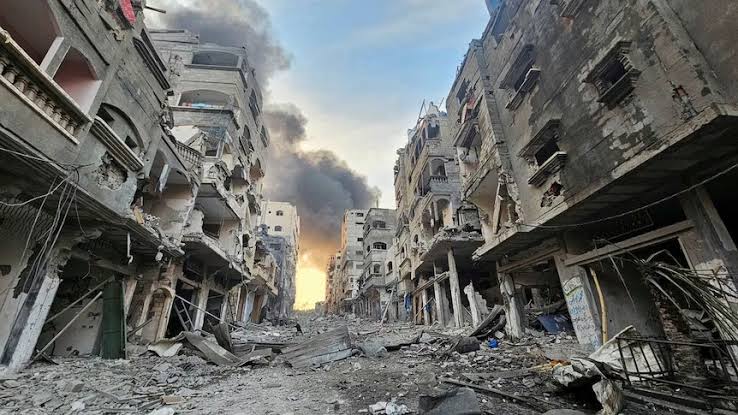
As Israel’s military operations in Gaza persist, the toll on civilians continues to rise, fueling international pleas for an immediate ceasefire. Reports from the region indicate that the ongoing hostilities have created severe humanitarian challenges, with thousands of civilians struggling to survive in increasingly dire conditions. Human rights groups, aid organizations, and numerous nations around the world are intensifying calls for a pause in the violence, emphasizing the urgent need for humanitarian relief and a path toward peace.
Global leaders have expressed grave concern over the situation, noting that the rising casualties and destruction are pushing Gaza’s resources and infrastructure to the brink of collapse. Basic necessities, including food, water, and medical supplies, are becoming scarce, and the region’s hospitals are overwhelmed with the number of injured civilians, raising fears of a worsening public health crisis.
In a bid to support affected communities, international humanitarian agencies are mobilizing resources and pressing for safe passage to deliver critical aid to those in need. However, continued fighting has hampered many of these efforts, with relief workers warning that without an immediate ceasefire, the crisis could lead to even more severe consequences for the civilian population.
Diplomatic efforts to broker a truce are ongoing, as countries worldwide stress the importance of de-escalating the violence. The United Nations, alongside prominent world leaders, is calling for a return to negotiations and urging both Israel and Hamas to consider dialogue as a pathway to peace. Amid the worsening situation, the international community remains focused on addressing the humanitarian emergency, with the hope that a ceasefire will provide a window for lasting solutions.
Escalating Conflict in Gaza Sparks Global Calls for Ceasefire Amid Mounting Humanitarian Crisis


Recent Comments
on Hello world!