

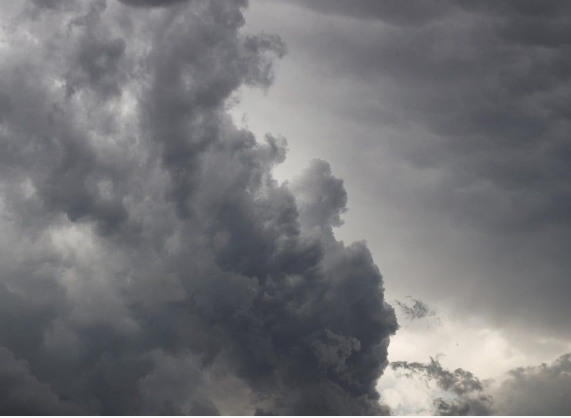
On Wednesday afternoon, parts of Randfontein and Westonaria in Gauteng were struck by severe weather, including strong winds and storm conditions. These adverse weather events caused widespread destruction, leaving significant damage to infrastructure in their wake. The powerful gusts and accompanying storms wreaked havoc across the affected areas, impacting homes, businesses, and public facilities.
The intensity of the winds was particularly alarming, with some eyewitnesses reporting scenes of uprooted trees, damaged rooftops, and debris scattered across roads and properties. The storm’s sudden onset caught many residents off guard, leading to widespread concern and prompting emergency responses. Local authorities and disaster management teams were quickly mobilized to assess the damage and provide immediate assistance where needed.
Initial reports indicate that the infrastructure damage is extensive, with critical facilities such as electricity supply systems, water lines, and communication networks disrupted in various parts of Randfontein and Westonaria. Power outages have been reported in several neighborhoods, leaving many households in the dark and raising concerns about prolonged restoration times. Public transportation has also been affected, as some roads remain obstructed by fallen trees and debris.
Residents in the affected areas have described the experience as terrifying, with the storm arriving unexpectedly and escalating rapidly. Many have shared accounts of how the strong winds battered their homes, tearing off roofs and breaking windows. In some cases, smaller structures, such as garden sheds or outdoor furniture, were completely destroyed or blown away by the force of the storm.
The damage to local businesses is another significant concern. Shops, offices, and industrial facilities in the storm’s path have suffered structural damage, with some losing inventory due to exposure to the elements. This has raised fears about the economic impact on small business owners, who are already grappling with other challenges in the current economic climate.
Local government officials have urged residents to remain cautious and avoid areas that might still pose safety risks, such as downed power lines or unstable structures. Teams of engineers and repair crews have been dispatched to prioritize the restoration of essential services, including electricity and water. However, officials have warned that it may take several days to fully restore services in the hardest-hit areas, given the scale of the damage.
The storm has also highlighted the need for improved disaster preparedness and resilience in the region. While Gauteng is not typically associated with extreme weather, events like these underscore the importance of having contingency plans in place to mitigate the impact of natural disasters. Experts have called for increased investment in weather monitoring systems and early warning mechanisms to better prepare communities for such events in the future.
In the aftermath of the storm, community members have shown remarkable resilience and solidarity, with many coming together to help one another recover. Volunteers have been assisting with clearing debris, repairing damaged homes, and distributing emergency supplies to those in need. Local charities and non-profit organizations have also stepped in, providing food parcels, blankets, and other necessities to families affected by the storm.
As recovery efforts continue, the full extent of the damage is still being assessed. Insurance companies are expected to be inundated with claims in the coming days, as residents and business owners begin the process of documenting their losses and seeking compensation. For many, rebuilding will be a long and challenging journey, but the collective efforts of the community and the support from local authorities offer hope for a gradual return to normalcy.
The storm that struck Randfontein and Westonaria serves as a stark reminder of nature’s power and the vulnerability of human-made infrastructure in the face of extreme weather. It also underscores the importance of preparedness, community support, and swift action in mitigating the impact of such disasters. While the immediate focus remains on recovery, the lessons learned from this event will likely shape future approaches to disaster management in the region.
“Severe Storms Devastate Randfontein and Westonaria: Infrastructure Damage and Community Resilience”


Recent Comments
on Hello world!