

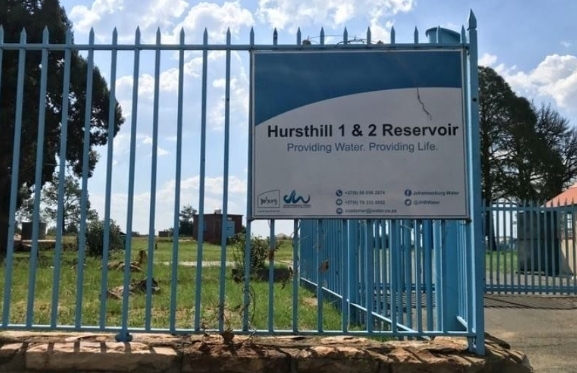
Johannesburg Water, the municipal water utility for South Africa’s largest city, has revealed that 22 out of its 87 reservoirs are currently in a critical state. This alarming situation underscores the ongoing challenges the city faces in managing its water supply and infrastructure. These critical conditions are further intensifying existing water shortages, which continue to impact residents and businesses throughout the city.
Despite efforts to address the issue through upgrades and repairs to the water infrastructure, the situation remains dire. The city’s water supply system is under immense pressure due to a combination of factors, including aging infrastructure, increasing demand, and environmental challenges such as fluctuating rainfall patterns. While Johannesburg Water has initiated various interventions to modernize and repair its reservoirs and pipelines, these efforts have not yet resolved the underlying issues.
The critical condition of nearly a quarter of the city’s reservoirs highlights the urgency of addressing these challenges comprehensively. Many of these reservoirs, which play a vital role in storing and distributing water to millions of residents, have been operating at reduced capacity or are unable to meet the growing demand. This has led to disruptions in water supply across different areas, affecting households, industries, and essential services like hospitals and schools.
In recent years, Johannesburg has faced recurring water crises, often linked to infrastructure that has not kept pace with the city’s rapid urbanization and population growth. As a result, the water distribution network is increasingly strained, making it difficult to ensure reliable and equitable access to water. The situation is further compounded by the effects of climate change, which have led to unpredictable weather patterns and reduced rainfall in certain regions. These environmental factors have had a direct impact on the city’s water sources, reducing the availability of this essential resource.
Johannesburg Water has outlined plans to mitigate these challenges, including the allocation of additional resources for maintenance and the implementation of advanced technologies to monitor and manage water usage more efficiently. However, these measures require significant investment and time to produce tangible results. In the interim, residents have been urged to conserve water and adhere to restrictions aimed at reducing consumption.
The current state of the city’s reservoirs has brought renewed attention to the need for a long-term strategy to secure water resources and improve infrastructure resilience. Experts have emphasized the importance of proactive planning and investment in sustainable solutions, such as recycling wastewater, capturing and storing rainwater, and diversifying water sources. By adopting a multifaceted approach, Johannesburg can work toward reducing its dependence on traditional water sources and safeguarding against future shortages.
The ongoing water crisis serves as a stark reminder of the interconnected nature of infrastructure, environmental stewardship, and community well-being. Addressing these issues will require collaboration between government agencies, private sector partners, and the public to create a sustainable and equitable water management system. For now, Johannesburg Water continues to prioritize the most critical repairs and upgrades, aiming to stabilize the water supply system and alleviate the immediate impacts of the crisis.
In conclusion, the disclosure that 22 out of 87 reservoirs are in critical condition is a wake-up call for Johannesburg and its stakeholders. While interventions are underway, the scale of the problem demands a coordinated and comprehensive response. Ensuring a reliable water supply is not only essential for the city’s economic growth and development but also for the health and quality of life of its residents. Moving forward, prioritizing infrastructure investment, embracing innovation, and fostering a culture of water conservation will be key to addressing the city’s water challenges effectively.
“Johannesburg’s Water Crisis: Critical Reservoirs and the Urgent Need for Sustainable Solutions”


Recent Comments
on Hello world!