

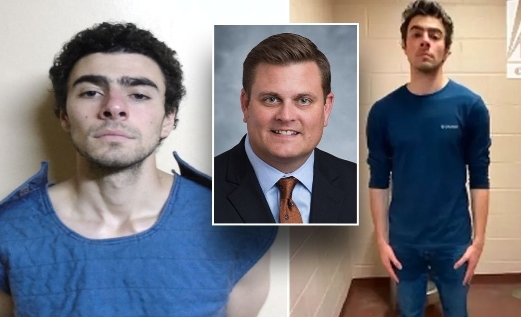
Late Monday night, prosecutors in New York City officially charged Luigi Mangione, the accused murderer and CEO of UnitedHealthcare, with murder, according to updated court records. The legal move marks a significant escalation in the ongoing criminal case against Mangione, whose involvement in the crime has sparked widespread attention and concern, especially given his prominent position in the healthcare industry.
Mangione’s arrest and subsequent charges have drawn considerable media focus, particularly because of his status as the CEO of one of the largest and most influential healthcare companies in the United States. The fact that someone in such a high-profile corporate role is facing murder charges has sent shockwaves through both the business and legal communities, leaving many to question how such a figure could be involved in such a serious criminal case. The development of formal charges against Mangione has intensified public and legal scrutiny, and the details surrounding the incident are becoming the subject of intense investigation and debate.
As prosecutors filed the charges, court records revealed that the legal process is now in full motion. The case, which has already garnered substantial media attention, will likely continue to unfold in the coming weeks and months. The charges themselves point to the severity of the crime, with prosecutors moving forward with what they describe as clear evidence connecting Mangione to the murder. These charges come on the heels of an earlier arrest, in which Mangione was apprehended in Pennsylvania and subsequently linked to the crime. The formal charge of murder indicates that authorities believe they have sufficient grounds to proceed with the case at the highest level.
Though the specific details of the murder remain under investigation, the filing of these charges suggests that prosecutors believe they have a compelling case against Mangione. Such a high-profile case, involving a well-known executive from a major healthcare corporation, is rare and has drawn significant attention to the intersection of corporate leadership and criminal responsibility. The case is not just a legal matter but also raises broader questions about the personal lives of those in powerful positions, and the potential consequences of their actions.
Following his arrest, it was revealed that Mangione had allegedly made written admissions about his involvement in the crime, which are now considered key evidence in the case. This development has only added to the complexity of the situation, with legal experts closely monitoring how these admissions will impact the charges and the trial. Written confessions can play a crucial role in criminal cases, and if Mangione’s admissions hold up under scrutiny, they could serve as a central piece of evidence in securing a conviction. However, the defense will likely contest the circumstances surrounding the confession, and legal experts expect a rigorous debate over its admissibility in court.
The criminal charges against Mangione have not only shocked the public but also placed UnitedHealthcare in a difficult position. As the company grapples with the fallout from the arrest and the pending trial, questions about its internal culture and leadership structure are likely to emerge. The company’s response to the situation will be carefully watched, especially as the case progresses and more information becomes available.
While Mangione faces serious criminal charges, it is important to note that, under the law, he is presumed innocent until proven guilty. The legal process will now play out in the courtroom, with the prosecution and defense both presenting their arguments and evidence. As the case moves forward, more details about the nature of the crime, the circumstances of the murder, and Mangione’s role in the incident are expected to emerge. Legal observers will continue to follow the case closely, as it could set important precedents for how high-profile corporate figures are treated in the criminal justice system.
In the coming weeks, more developments are expected in this case, and the public will likely continue to watch as prosecutors prepare to take the matter to court. The charge of murder represents a significant turning point, and it is now clear that Luigi Mangione’s future will depend on the outcome of the legal proceedings. Whether or not he is ultimately convicted, the case will undoubtedly have far-reaching consequences, both for Mangione personally and for the wider corporate world.
“UnitedHealthcare CEO Luigi Mangione Charged with Murder in Shocking Legal Case”


Recent Comments
on Hello world!